Fort Worth Leak Detection is a referral and matching service. We connect you with independent, TSBPE-licensed local plumbers; we don’t perform the work ourselves. Here’s a plain-language look at each repair method so you can ask good questions and compare quotes.
Option 1: Spot repair through the slab
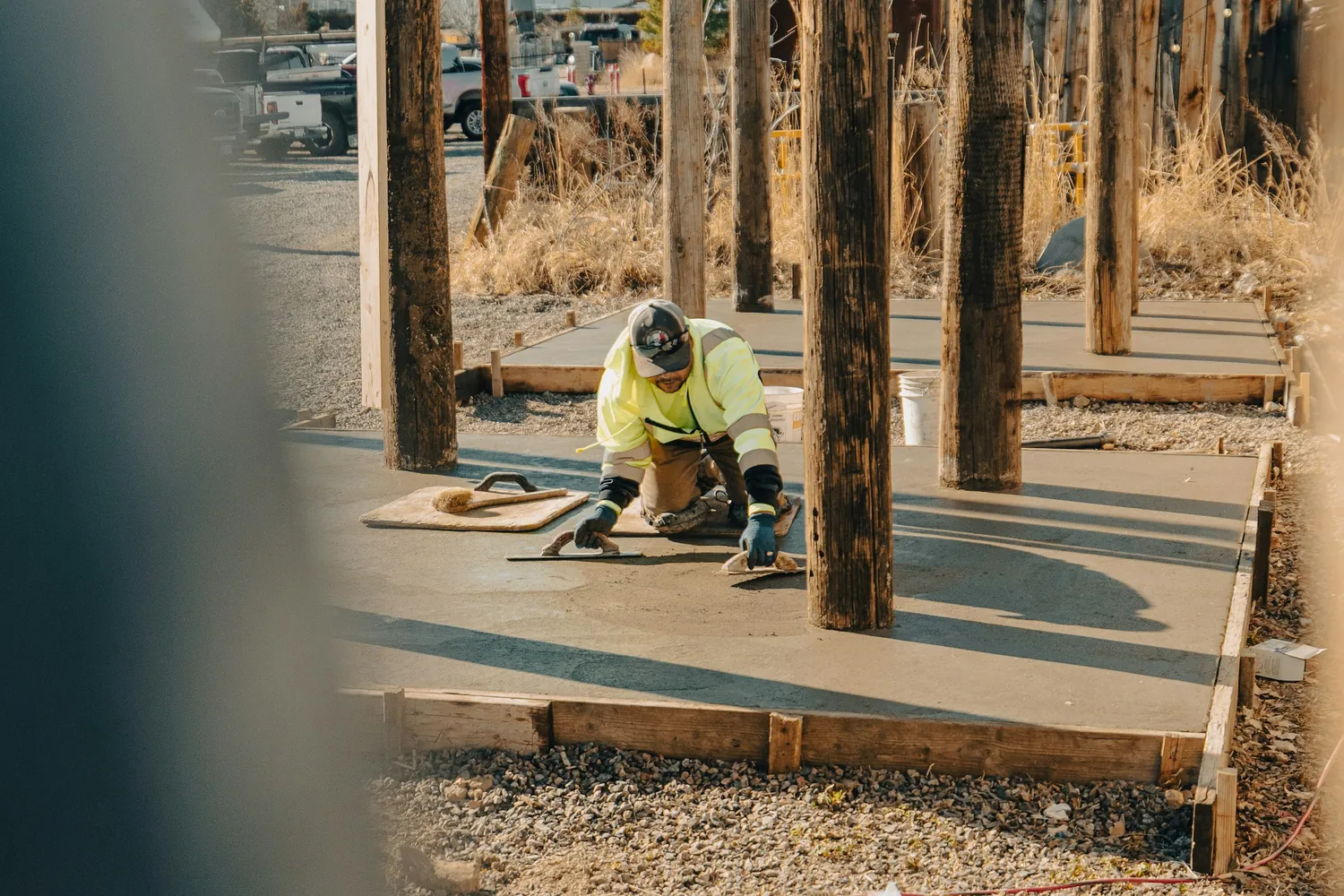
A spot repair, sometimes called a “direct access” repair, is the most direct fix. The plumber cuts or breaks a small opening in the slab above the leak, digs down to the pipe, replaces the damaged section, pressure-tests the line, and then backfills and patches the concrete.
- Best for: a single, well-located leak in pipe that’s otherwise in decent shape, under flooring that’s easy to replace or hidden (a closet, laundry room, under carpet).
- Downsides: it’s noisy and dusty inside the house, and the flooring over the opening has to be removed and replaced. Matching tile or hardwood can cost more than the plumbing itself.
- Ask about: who handles the concrete patch and the flooring, whether dust containment is included, and whether the quote covers re-testing after the patch.
Option 2: Tunneling under the foundation
With tunneling, the crew digs from outside the house, beside the foundation, and tunnels under the slab to reach the pipe. Nothing inside the house gets broken.
- Best for: leaks under kitchens, stone or tile floors, cabinets, or other areas you really don’t want torn up, or homes where someone can’t easily be around indoor demolition.
- Downsides: it can take longer, it disturbs landscaping, and tunnels must be properly backfilled and compacted. On expansive clay, poorly backfilled tunnels can let the soil settle later. Some contractors bring in a separate tunneling crew.
- Ask about: how the tunnel will be backfilled and compacted, whether an engineer’s or foundation company’s input is involved for long tunnels, and how the yard will be restored.
If you’re worried about how tunneling might affect a foundation that has already moved, our sister site Fort Worth Foundation Fix covers foundation inspections.
Option 3: Reroute instead of repair
Sometimes the best fix isn’t a repair at all. A reroute abandons the leaking line under the slab and runs a new line through the walls or attic to the same fixtures. It avoids breaking concrete and takes that pipe out of the ground for good. We cover it in detail on the pipe reroute and repipe page.
What about epoxy lining?
Some companies offer pipe lining, where the inside of the pipe is cleaned and coated with epoxy to seal pinholes. It can make sense in specific cases, but it isn’t right for every pipe, and quality depends heavily on the installer. If it’s offered, ask what product is used, what warranty is provided in writing, and whether the pipe’s condition actually suits lining.
How to decide
A good plumber will walk you through the choice instead of pushing one answer. The questions that matter most are:
- How old is the plumbing, and what is it made of? One leak in decades-old copper can be the first of several. A reroute or repipe may save money over time.
- Where exactly is the leak? A leak under a closet favors a spot repair. One under a kitchen island may favor tunneling or rerouting.
- Has the home had leaks before? Repeat leaks are a strong sign to stop patching.
- How long do you plan to stay? If you’re selling soon, a documented spot repair may be enough. If it’s your long-term home, durability matters more.
- What does your insurance cover? Many policies help with tearing out and replacing the floor to reach the pipe, but not the pipe repair itself. See our insurance FAQ.
Cost drivers
National cost guides put a typical slab leak repair at roughly $630–$4,400, including detection, with rerouting an entire system costing considerably more (Angi, 2026; Fixr). Those are national figures, not Fort Worth quotes. What really moves the price:
- Where the leak is and how easy it is to reach
- The method (spot repair, tunnel, reroute)
- Flooring removal and replacement, which is often a separate trade
- Any water damage cleanup or drying
- Permits and after-hours or emergency rates
Get the scope in writing: what’s included, what isn’t (flooring, drywall, paint, landscaping), and what happens if they find more than one leak.
Permits and licensing
Plumbing work in Texas must be done by or under a plumber licensed through the Texas State Board of Plumbing Examiners, and many cities require a permit for this kind of repair. The plumber normally pulls the permit. You can verify a license on the TSBPE public license search.
Common questions
How long does a slab leak repair take?
A straightforward spot repair is often completed in a day or two, plus time for the concrete patch and flooring. Tunneling and reroutes can take longer. The plumber you’re matched with can give a realistic timeline after seeing the job.
Will I have water during the repair?
Usually only part of the day is without water, while the line is being cut and replaced. Ask the plumber when the water will be off so you can plan around it.
Is one repair enough?
Sometimes. If the rest of the piping is sound, one repair can last a long time. If the pipes are old or you’ve had other leaks, ask the plumber whether a reroute or repipe makes more sense.